The automotive industry is currently undergoing a radical transformation that is shifting the value of a vehicle from its mechanical components to its digital capabilities. For over a century, the power and prestige of a car were measured by the size of its engine, the number of cylinders, and the complexity of its transmission. However, we are now entering the era of the Software-Defined Vehicle (SDV), where the driving experience is dictated by code rather than pistons.
This shift means that the hardware of the car remains relatively static, while the software can be updated, improved, and customized throughout its entire lifespan. Imagine purchasing a vehicle today and finding that it actually performs better, drives safer, and has more features three years from now thanks to digital updates. This is the same logic that applies to your smartphone, which receives regular operating system updates that add new emojis, security patches, and app functionalities.
Modern car manufacturers are no longer just mechanical engineers; they are becoming software giants competing to build the most advanced “Car OS” on the market. This revolution is fundamentally changing how we buy, drive, and interact with our personal transportation. Let’s explore how the SDV movement is turning your next car into a powerful, intelligent computer that just happens to have four wheels and a steering wheel.
What Exactly Is a Software-Defined Vehicle?
A Software-Defined Vehicle is a car whose features and functions are primarily enabled through software, allowing for rapid innovation and remote updates. In traditional cars, if you wanted a new navigation system or a better engine tuning, you usually had to buy an entirely new model or visit a physical dealership.
In an SDV, the hardware is designed to be “future-proof,” meaning it has more processing power and sensors than it needs on day one. This allows the manufacturer to push “Over-the-Air” (OTA) updates that can change everything from the car’s acceleration curve to the way the dashboard looks.
A. Centralized Computing: Instead of dozens of small computers, one or two “brain” chips control the entire vehicle.
B. Decoupling: The software is built independently from the hardware, allowing for faster development cycles.
C. Continuous Connectivity: The car is always connected to the cloud to send data and receive new instructions.
The Magic of Over-the-Air (OTA) Updates
The most visible benefit of an SDV is the ability to receive updates while your car is parked in your garage overnight. Much like your laptop or phone, your car can download a patch that fixes a recall issue or adds a new semi-autonomous driving mode.
This eliminates the need for annoying service center visits for minor software glitches or feature upgrades. It also means the car’s resale value stays higher because it doesn’t become “obsolete” as quickly as traditional mechanical cars do.
A. Security Patches: Manufacturers can instantly fix digital vulnerabilities across their entire fleet to prevent hacking.
B. Performance Boosts: Some companies allow you to “unlock” more horsepower or better battery efficiency via a software download.
C. User Interface: You can receive entirely new entertainment apps, games, or climate control interfaces without changing a single button.
The Rise of the Car Operating System
Just as computers have Windows and smartphones have Android or iOS, modern cars are now running on complex Operating Systems. These platforms manage everything from the safety sensors and braking systems to the Netflix app on your passenger screen.
Developing a stable and secure Car OS is incredibly expensive and difficult, which is why we see partnerships between automakers and tech giants. Some brands are building their own systems from scratch, while others are integrating specialized versions of Google’s Android Automotive.
A. Real-Time OS: A critical layer that handles safety-first tasks like steering and emergency braking with zero lag.
B. Infotainment Layer: The part of the software that manages your music, maps, and voice assistants.
C. Developer Ecosystems: The potential for third-party apps to be built specifically for your car’s unique hardware.
Sensors: The Eyes and Ears of the Software
For software to control a car, it needs to perceive the world around it with incredible accuracy and speed. Software-Defined Vehicles are packed with an array of sensors including cameras, Radar, and sometimes LiDAR (Light Detection and Ranging).
These sensors feed a constant stream of data into the central “brain” of the car, which uses artificial intelligence to make split-second decisions. The software can then interpret whether a shadow on the road is a harmless leaf or a pedestrian stepping off the curb.
A. Ultrasonic Sensors: Used for close-range detection, such as during tight parking maneuvers.
B. High-Res Cameras: Provide 360-degree vision to identify traffic lights, signs, and lane markings.
C. Radar and LiDAR: Allow the car to “see” in the dark, through fog, or at long distances where human eyes might fail.
The Shift to a Subscription Economy
As cars become more software-reliant, the way we pay for features is changing into a “Features on Demand” or subscription model. Some manufacturers have started offering heated seats, advanced cruise control, or premium sound systems for a monthly fee.
While this is controversial among some buyers, it allows for more flexibility and a lower initial purchase price for the base vehicle. You might choose to subscribe to “Winter Mode” only during the cold months or “Full Self-Driving” only for a long summer road trip.
A. Flexibility: Owners can try a feature for a month before deciding to buy it permanently.
B. Customization: Second-hand buyers can add features that the original owner decided not to include.
C. Recurring Revenue: Manufacturers can continue to earn money from a car long after it has left the showroom.
Enhancing Safety Through Digital Foresight
Safety in an SDV goes beyond just airbags and “crumple zones” designed to protect you during a crash. The software works proactively to prevent the accident from happening in the first place by predicting dangerous situations.
By analyzing data from thousands of other connected cars, your vehicle can be warned of a patch of black ice or a traffic jam around a blind corner. This “V2X” (Vehicle-to-Everything) communication is only possible when the car is defined by its software and connectivity.
A. Predictive Braking: The car can apply the brakes faster than a human can even process that a danger exists.
B. Lane Keeping: Software subtly adjusts the steering to keep you centered and safe on long highway hauls.
C. Driver Monitoring: Internal cameras can detect if a driver is getting sleepy or distracted and provide an alert.
Data as the New Oil for Automakers
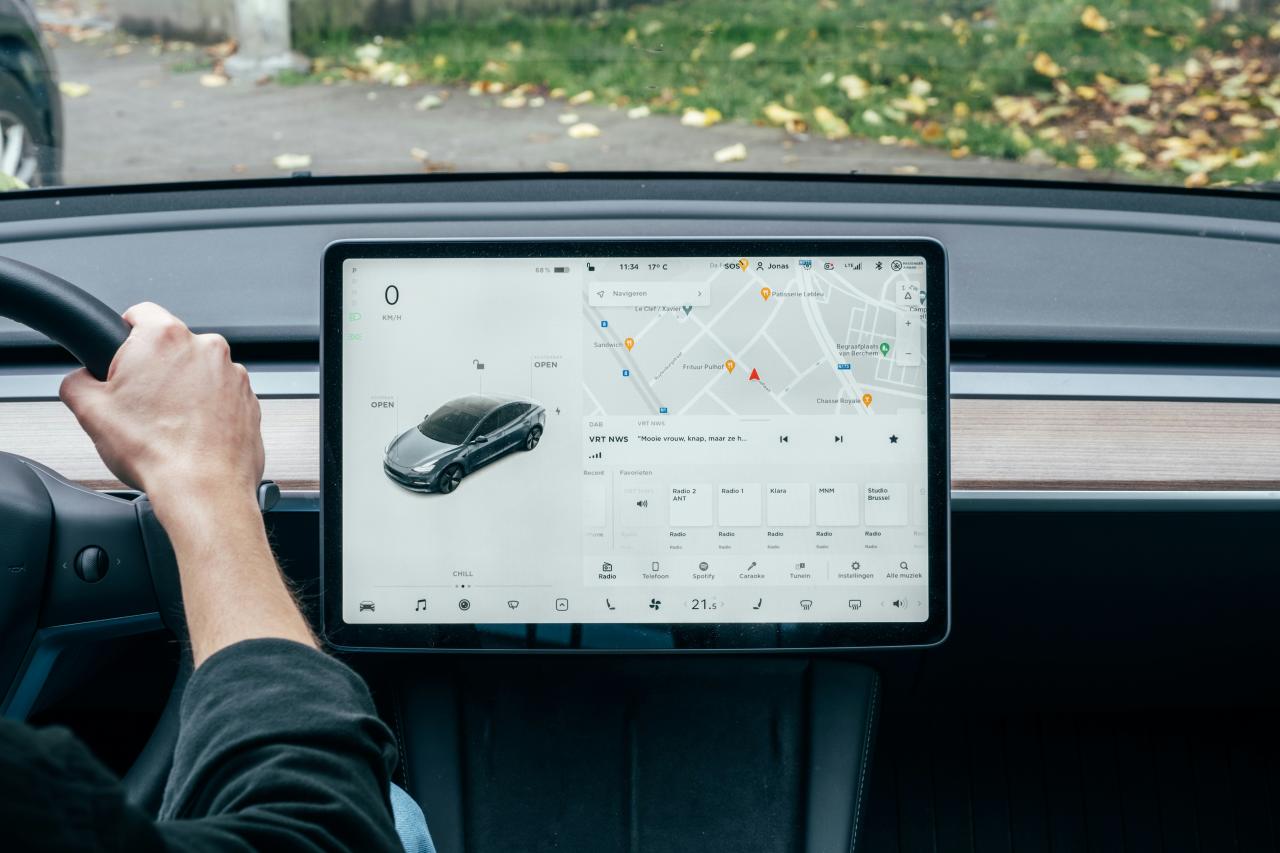
Software-Defined Vehicles generate a massive amount of data every time they are driven on the road. This data is invaluable to manufacturers because it tells them exactly how their cars are being used in the real world.
If the sensors show that a specific safety feature is causing “false alarms” in heavy rain, the engineers can write a fix and deploy it to everyone. This creates a constant feedback loop that leads to much faster product improvements compared to old-fashioned engineering.
A. Usage Analytics: Companies can see which features are popular and which ones are a waste of resources.
B. Predictive Maintenance: The car can warn you that a part is about to fail before you are stranded on the highway.
C. Mapping Improvements: Fleet data helps create ultra-accurate 3D maps that are essential for future autonomous driving.
The Impact on Design and Interior Space
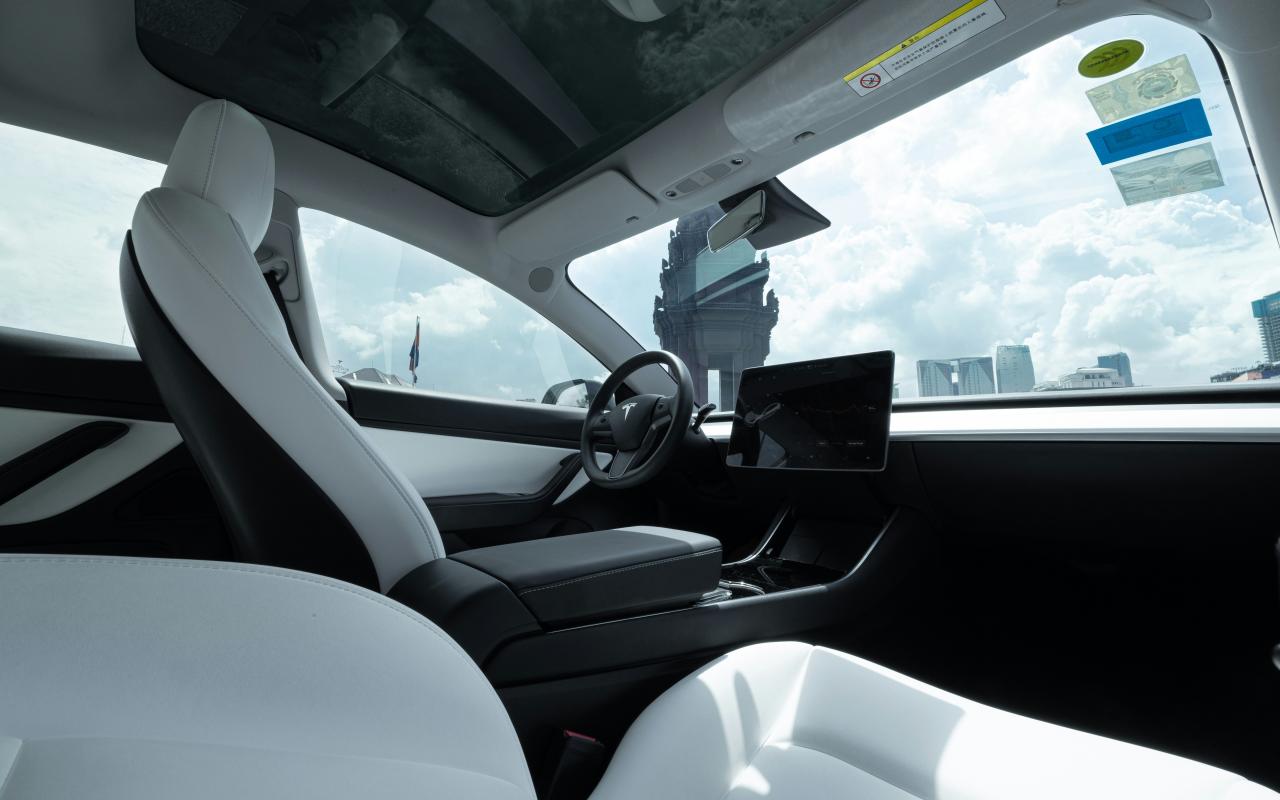
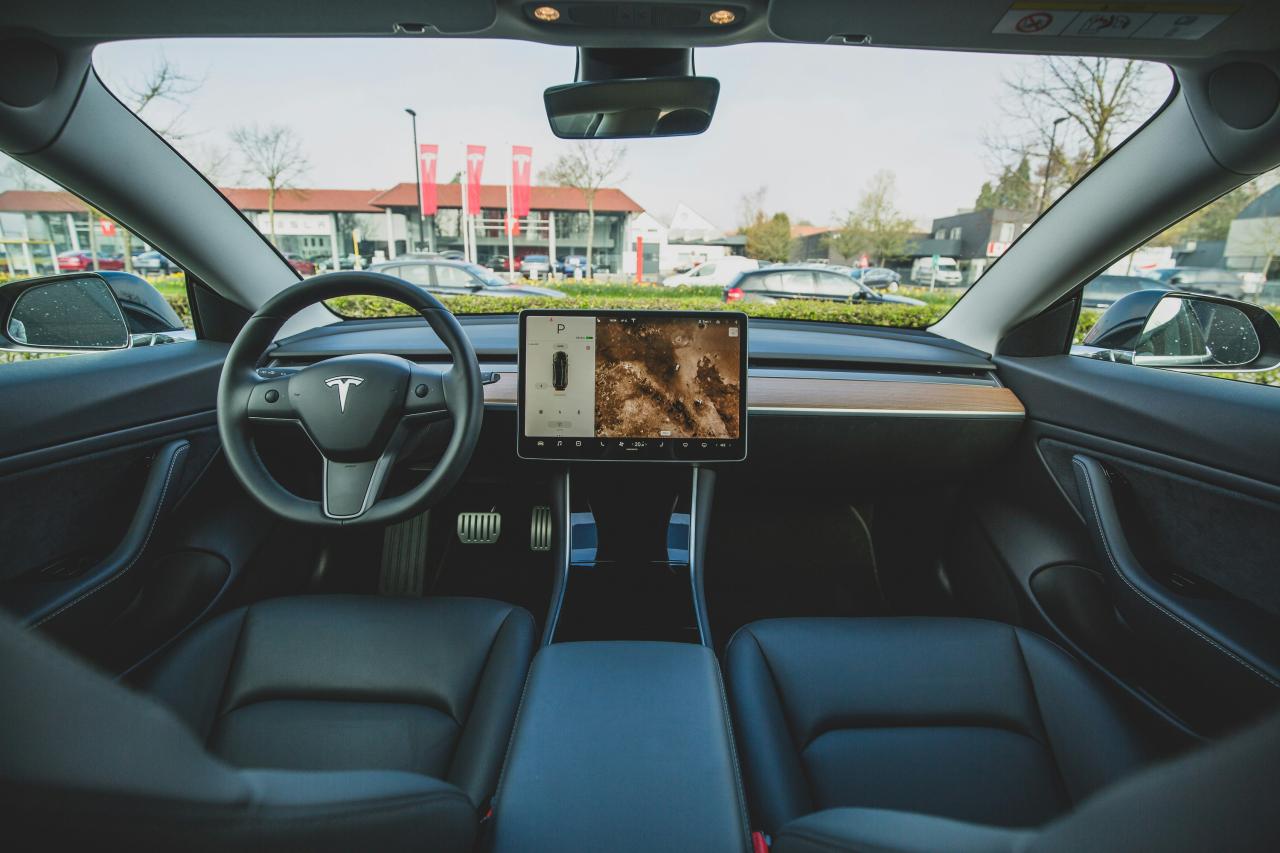
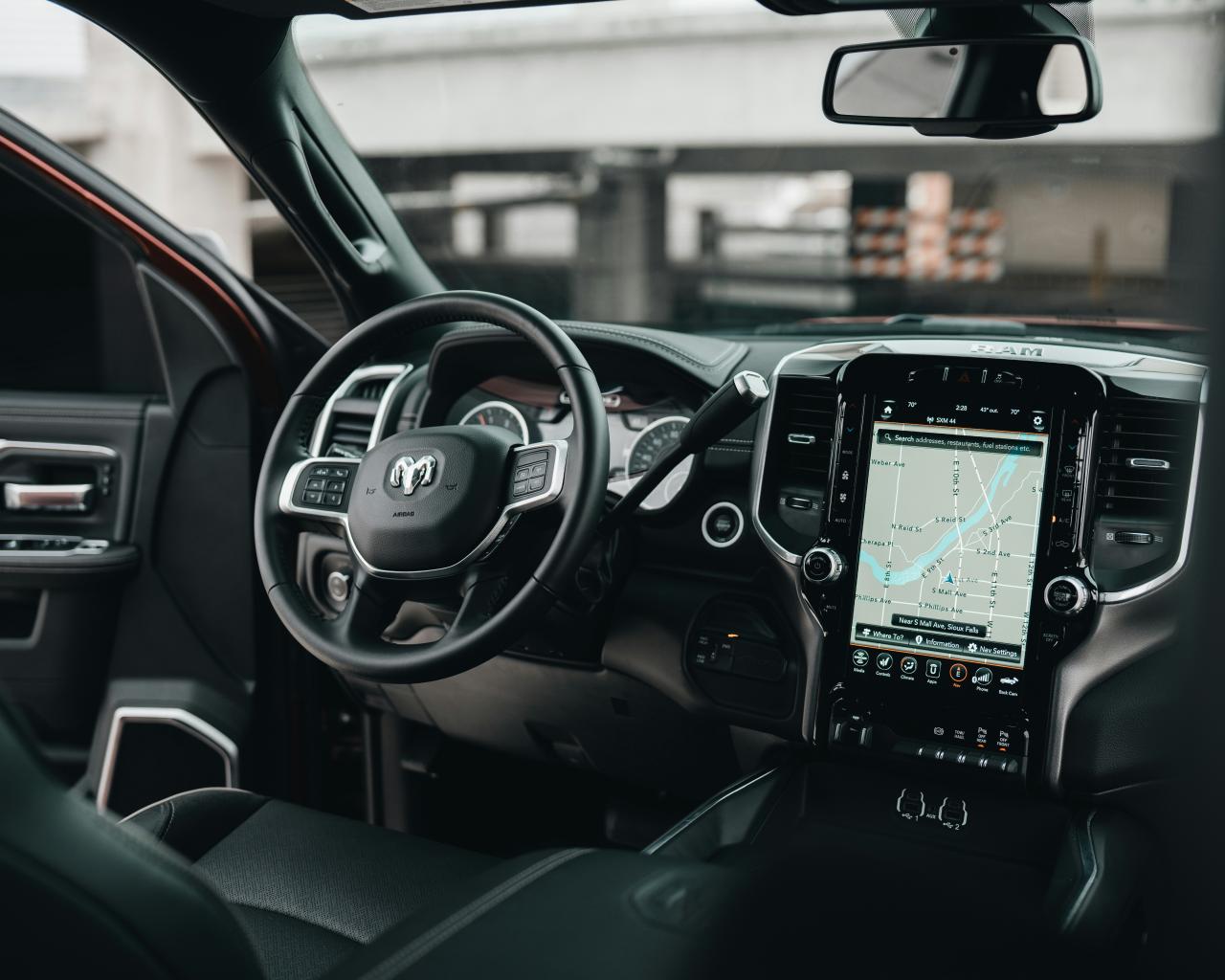
When a car is defined by software, the physical interior can become much simpler and more comfortable for the passengers. We are seeing a move away from dozens of physical knobs and buttons toward large, clean touchscreens and voice-controlled interfaces.
In the future, as cars become more autonomous, the interior might look more like a living room or a mobile office than a traditional cockpit. The software handles the “driving,” so the humans can focus on working, relaxing, or watching a movie.
A. Minimalist Cockpits: One large screen can replace the entire traditional instrument cluster and center console.
B. Modular Interiors: Software-controlled lighting and seat configurations can change the mood of the car instantly.
C. Digital Soundscapes: The interior noise can be “canceled out” or enhanced with digital engine sounds via the speakers.
Challenges: Cybersecurity and Privacy
Turning a car into a giant smartphone brings the same risks we face with our computers: hacking and data privacy concerns. A car that is always connected to the internet is a potential target for malicious actors who might want to control the vehicle remotely.
Automakers are now hiring thousands of cybersecurity experts to build “firewalls” around the car’s critical driving systems. There is also the question of who owns the data your car generates—is it you, the manufacturer, or the software provider?
A. Encryption: Ensuring that all communication between the car and the cloud is impossible for hackers to read.
B. Data Privacy: Creating strict rules about what personal information can be shared with advertisers or third parties.
C. System Redundancy: Building “fail-safes” so that if the software glitches, the mechanical systems can still stop the car.
Electric Vehicles and Software Synergy
While gasoline cars can be software-defined, the technology truly shines when paired with an Electric Vehicle (EV) powertrain. EVs are naturally more “digital” because they use electric motors and batteries that are already controlled by complex power electronics.
The software in an EV manages the “Battery Management System” (BMS), which is critical for maximizing range and battery health. A single software update can sometimes increase the range of an electric car by several miles by optimizing the motor’s efficiency.
A. Regenerative Braking: Software controls how much energy is put back into the battery when you lift off the accelerator.
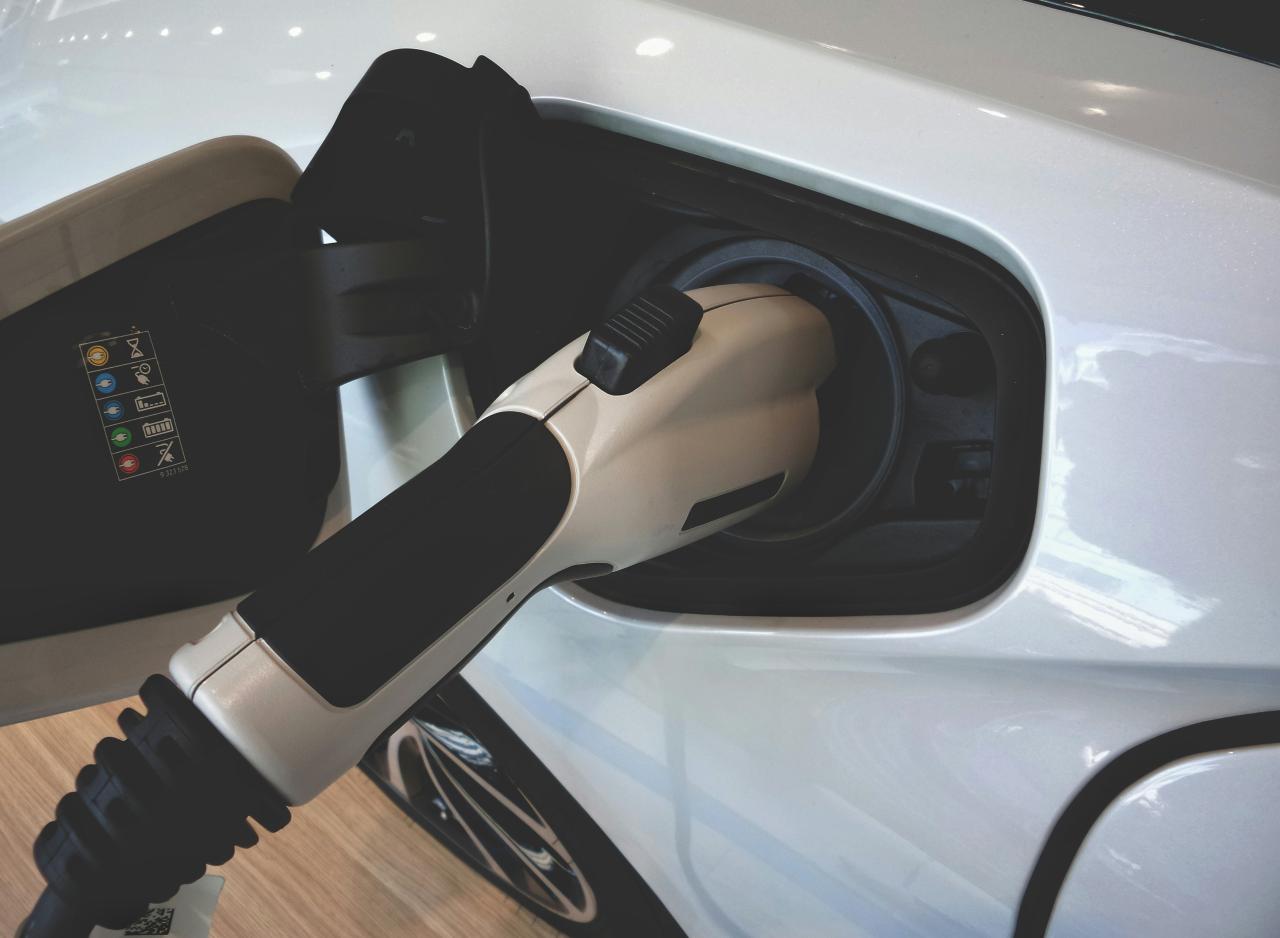
B. Charging Optimization: The car can communicate with the charger to find the fastest and cheapest time to refill.
C. Thermal Management: Keeping the battery at the perfect temperature to ensure it lasts for hundreds of thousands of miles.
The Road to Full Autonomy
The ultimate goal of the Software-Defined Vehicle is to reach “Level 5” autonomy, where the car can drive itself anywhere without human help. This requires a level of software complexity that we are only just beginning to understand and master.
Current “Autopilot” or “Full Self-Driving” systems are essentially beta versions of the software that will one day run the entire world’s transport. As the algorithms get smarter with every mile driven, the dream of a driverless future moves closer to reality.
A. Machine Learning: The car “learns” from the millions of miles driven by every other car in the manufacturer’s fleet.
B. Edge Computing: Processing data locally on the car’s brain for instant reactions while syncing with the cloud.
C. Redundant Hardware: Having two separate computers running at the same time in case one of them fails.
Conclusion
The transformation into software-defined vehicles is the biggest change in the car industry since the invention of the assembly line.
You will find that your next vehicle feels much more like a personal assistant than a simple piece of heavy machinery.
The ability to update your car over the air will make the ownership experience feel fresh and exciting for many years.
Safety is reaching new heights as intelligent software begins to predict and avoid accidents before they even happen.
While we might miss the roar of an engine, we will definitely appreciate the convenience of a smartphone on wheels.
The financial model of owning a car is shifting toward subscriptions, which offers both new challenges and great flexibility.
Data and artificial intelligence are now the primary engines driving the future of global automotive innovation and design.
Your car will finally become part of your broader digital life, syncing perfectly with your home, your work, and your devices.
Cybersecurity and privacy will remain the top priorities as we give more control to the algorithms under the hood.
The road ahead is paved with lines of code that will eventually lead us to a safer and more efficient autonomous world.
Embracing this digital revolution means welcoming a future where your car is always getting better, smarter, and more capable.
Would you like me to create a comparison list of the most advanced car operating systems currently being developed by Tesla, Google, and Mercedes-Benz?