The landscape of the automotive industry is shifting rapidly, making it more important than ever for dealership owners to diversify their revenue streams. While the “front-end” sales of new and used vehicles often get all the glory and media attention, the true backbone of a sustainable and profitable dealership lies in its “fixed operations.” Fixed operations, which encompass the service department, parts department, and body shop, provide the consistent cash flow needed to weather economic downturns and fluctuating vehicle inventory levels. In a world where profit margins on new car sales are being squeezed by price transparency and manufacturer mandates, the service bay has become the primary engine for net profit.
Maximizing the efficiency of these departments requires a strategic approach that blends high-tech management systems with old-fashioned customer service excellence. Many dealerships sit on untapped goldmines simply because their fixed ops departments are plagued by inefficient workflows or poor customer retention rates. By optimizing these areas, a dealership can transition from a volatile sales-driven business to a stable, service-oriented powerhouse. This comprehensive exploration will guide you through the modern tactics used by top-performing dealers to turn their service drives into high-margin profit centers. Understanding the synergy between parts inventory and technician productivity is the first step toward achieving long-term financial health in the automotive business.
The Strategic Importance of Fixed Operations Absorption

In the automotive world, “absorption” is a critical metric that measures how much of the dealership’s total operating expenses are covered by the gross profit from fixed operations. A dealership with 100% absorption can pay all its bills—rent, utilities, and non-sales salaries—without selling a single car. This provides a massive safety net during market volatility or supply chain disruptions. High absorption rates are the hallmark of the most resilient and successful automotive groups in the country.
A. Calculating Your Current Absorption Rate
To find your absorption rate, you must divide the gross profit of your service, parts, and body shop by the total dealership overhead. If your fixed ops profit covers 80% of your overhead, you are doing well, but the goal should always be to push toward 100%. Knowing this number allows you to set realistic growth targets for your service advisors and parts managers.
B. Reducing Dependency on Variable Sales
Variable sales—the selling of cars—are subject to interest rates, consumer confidence, and manufacturer incentives that you cannot control. Fixed operations are driven by the ongoing need for vehicle maintenance, which remains steady even when people stop buying new cars. By strengthening your service drive, you insulate your business from the “boom and bust” cycles of the showroom.
C. The Long-Term Value of Service Customers
A customer who buys a car might not return for five years, but a service customer visits multiple times a year. Each visit is an opportunity to build trust and ensure that when they are ready for a new vehicle, your dealership is the only place they consider. This cycle of “service-to-sales” is the most cost-effective way to maintain a high market share in your local area.
Maximizing Technician Efficiency and Productivity
The profitability of a service department is directly tied to the “billable hour,” which is the only product a service department truly sells. If your technicians are spending their time hunting for parts or moving cars in the lot, you are losing money every minute. Optimizing the shop floor involves removing every possible friction point that keeps a technician from turning a wrench. A highly efficient shop can produce 120% or more productivity from its staff, significantly boosting the bottom line.
A. Implementing Effective Shop Loading
Shop loading is the art of scheduling the right jobs for the right technicians at the right time. You shouldn’t have a master technician performing oil changes while a junior tech struggles with a complex engine diagnostic. Using digital dispatch systems ensures that every bay is occupied by a job that matches the skill level and speed of the person working there.
B. Streamlining the Parts-to-Service Workflow
One of the biggest “time killers” in a dealership is the technician waiting at the parts counter for a component. Top-performing dealers use “parts runners” or automated delivery systems to bring parts directly to the technician’s bay. This keeps the tech productive and ensures that vehicles move through the shop as quickly as possible, increasing your daily “car count.”
C. Investing in Continuous Technical Training
Modern vehicles are essentially computers on wheels, requiring specialized knowledge and expensive diagnostic tools. By investing in ongoing training for your staff, you reduce the “comeback” rate and improve the speed of repairs. Technicians who feel supported and educated are also much more likely to stay with your dealership, reducing expensive turnover costs.
The Role of the Service Advisor as a Sales Consultant
The service advisor is the most influential person in the fixed operations profit chain, acting as the bridge between the customer and the technician. A great advisor does more than just write up repair orders; they act as a consultant who helps the customer prioritize their vehicle’s health. If your advisors are merely “order takers,” you are missing out on thousands of dollars in upsell opportunities every single day. Training advisors in communication and sales psychology is often the fastest way to increase your average “dollars per repair order.”
A. The Art of the Multi-Point Inspection (MPI)
Every vehicle that enters the service drive should receive a comprehensive multi-point inspection. This is not about “finding things to fix,” but about giving the customer a clear picture of their vehicle’s current condition. Using digital MPI tools with photos and videos of needed repairs builds immense trust and increases the “close rate” on recommended services.
B. Effective Communication and Transparency
Customers are often intimidated by automotive repairs, fearing they are being overcharged for things they don’t need. Advisors who use clear, non-technical language and provide transparent pricing are much more successful at building long-term loyalty. When a customer trusts an advisor, they are much more likely to approve preventative maintenance that keeps the shop busy and profitable.
C. Performance-Based Pay Plans for Advisors
To maximize profit, service advisors should be on a commission-based pay plan that rewards high sales volume and high customer satisfaction scores (CSI). This aligns their personal financial goals with the goals of the dealership. However, the plan must be balanced so that advisors prioritize the customer’s needs over short-term “wallet flushing.”
Optimizing Parts Inventory Management
The parts department is often the “silent partner” in fixed operations, but its efficiency can make or break the service department’s profitability. Carrying too much inventory ties up precious capital, while carrying too little leads to delayed repairs and unhappy customers. Effective parts management requires a data-driven approach to stocking, obsolescence control, and wholesale relationships. A “lean” parts department is one that has the right part on the shelf 90% of the time without bloated overhead.
A. Controlling Obsolescence and Dead Stock
Parts that sit on the shelf for more than 12 months are “dead money” that loses value every day. Managers must use their inventory software to identify slow-moving parts and return them to the manufacturer or sell them through wholesale channels. Keeping a “clean” inventory ensures that your capital is always working for you rather than gathering dust.
B. Developing a Profitable Wholesale Business
Many dealerships increase their parts volume by selling to independent repair shops and body shops in their region. While the margins on wholesale parts are lower than retail, the high volume can significantly increase the department’s total gross profit. It also helps the dealership maintain a better relationship with the manufacturer by meeting high purchase targets.
C. Inventory Accuracy Through Regular Cycle Counts
A parts department is only as good as its data; if the computer says a part is there and it isn’t, the service department grinds to a halt. Implementing daily or weekly “cycle counts” ensures that your physical inventory matches your digital records. This prevents lost sales and ensures that your ordering process is based on reality rather than faulty data.
Enhancing Customer Retention and Loyalty
It is much cheaper to keep an existing customer than it is to find a new one through expensive marketing campaigns. Fixed operations are the primary tool for customer retention in the automotive business. If a customer has a great experience in your service department, they are exponentially more likely to buy their next car from you. Retention is built through convenience, fair pricing, and a commitment to making the customer’s life easier.
A. The Power of Online Scheduling and Digital Payments
Modern customers value their time above almost everything else. Offering a seamless online booking system and the ability to pay via text or email makes the service process “painless” for the busy professional. Dealerships that embrace these digital tools see higher car counts and better customer satisfaction scores than those stuck in the “paper-and-phone” era.
B. Leveraging Loyalty Programs and Prepaid Maintenance
Selling prepaid maintenance plans at the time of the vehicle sale is a guaranteed way to “lock in” the customer for future service visits. Even simple loyalty programs that offer a “fifth oil change free” can keep a customer from wandering to a local independent shop. These programs create a habit of returning to the dealership, which is the foundation of long-term profit.
C. Providing a Premium Waiting Experience
If a customer chooses to wait for their vehicle, the environment should be as comfortable as a high-end coffee shop or co-working space. Free Wi-Fi, premium coffee, and quiet workspaces can turn a “chore” into a productive part of the customer’s day. For those who can’t wait, providing a reliable shuttle service or loaner vehicles is a must for maintaining a “luxury” brand image.
Leveraging Data Analytics for Fixed Ops Growth
You cannot manage what you do not measure, and the modern dealership generates an enormous amount of data every day. Fixed operations managers must move beyond “gut feelings” and start using data analytics to drive their decision-making. By tracking “Key Performance Indicators” (KPIs), you can identify exactly where your shop is losing money and where the biggest opportunities for growth lie. Data allows you to see the “health” of your dealership in real-time.
A. Tracking Effective Labor Rate (ELR)
Your “posted” labor rate is rarely what you actually collect after discounts and internal work. Tracking your ELR tells you exactly how much money you are making for every hour your technicians work. If your ELR is too low, it may indicate that your advisors are giving away too many discounts or that your shop is bogged down with low-margin warranty work.
B. Monitoring Unapplied Labor Costs
Unapplied labor is the money you pay technicians for time spent not working on a billable repair order. High unapplied labor costs are a red flag for poor scheduling or a lack of available work. Reducing this number is one of the fastest ways to increase the net profit of the service department without adding a single new customer.
C. Analyzing Customer Pay (CP) vs. Warranty Ratios
Warranty work is necessary but often pays at a lower rate than customer-pay work. A healthy service department should strive for a high percentage of customer-pay labor to maximize margins. If your shop is 90% warranty work, you are essentially a low-margin contractor for the manufacturer rather than a profitable independent business.
The Impact of Modern Facility Design
The physical layout of your fixed operations departments can have a surprising impact on both efficiency and customer perception. A dark, dirty, and disorganized service drive sends a negative message to your customers and can demoralize your staff. Modern facility design focuses on “flow”—ensuring that cars can move in and out of the shop with minimal backing up or maneuvering. A clean, high-tech environment also justifies a higher labor rate in the mind of the consumer.
A. Creating an “Express Lane” for Quick Services
Many customers avoid dealerships for simple oil changes because they don’t want to wait two hours. Designing a dedicated “Express Lane” with its own staff and bays allows you to compete with quick-lube shops. This keeps your main shop free for high-margin heavy repairs while still capturing the high-frequency maintenance business.
B. The Visual Appeal of the Service Drive
The “service drive” is the first thing a customer sees when they arrive, and it should be as clean and welcoming as the showroom. Bright LED lighting, clear signage, and professional uniforms for advisors create a high-end “hospitality” feel. This visual professionalism allows you to command a premium price for your services and improves the overall brand value.
C. Optimizing Tool and Equipment Placement
Every step a technician takes to find a specialized tool or a fluid dispenser is a step that costs the dealership money. Organizing the shop so that frequently used equipment is within reach of every bay is a simple but effective way to boost productivity. A clean, organized shop also reduces the risk of accidents and equipment damage, protecting your bottom line.
Strengthening Internal Communication Between Departments
A dealership is a single organism, but often the sales and service departments act like two separate companies that don’t like each other. This “silo effect” is a major drain on total dealership profit and leads to a disjointed customer experience. Strengthening the bond between the “front-end” and the “back-end” is essential for maximizing the lifetime value of every customer. Leadership must foster a culture where everyone understands that they are on the same team.
A. The “Service Walk” During the Sales Process
When a customer buys a new car, the salesperson should personally introduce them to a service advisor and show them where the service drive is. This “hand-off” makes the customer feel like they are part of a family and significantly increases the likelihood of their first service visit. It breaks the ice and removes the “fear of the unknown” that many new car buyers feel.
B. Fair Internal Billing and Respectful Collaboration
Conflicts often arise over “internal” work—the repairs needed to get a used car ready for the lot. The sales department wants it cheap, and the service department wants it profitable. Establishing a fair, fixed internal labor rate and a standard “recon” process prevents these arguments and ensures vehicles get to the lot faster.
C. Shared Incentives for Cross-Department Goals
Consider creating bonuses that are triggered only when both the sales and service departments hit their targets. This encourages managers to help each other out rather than competing for resources or attention. A unified dealership is a more efficient and pleasant place to work, which ultimately leads to better results for the owners.
Navigating the Transition to Electric Vehicles (EVs)
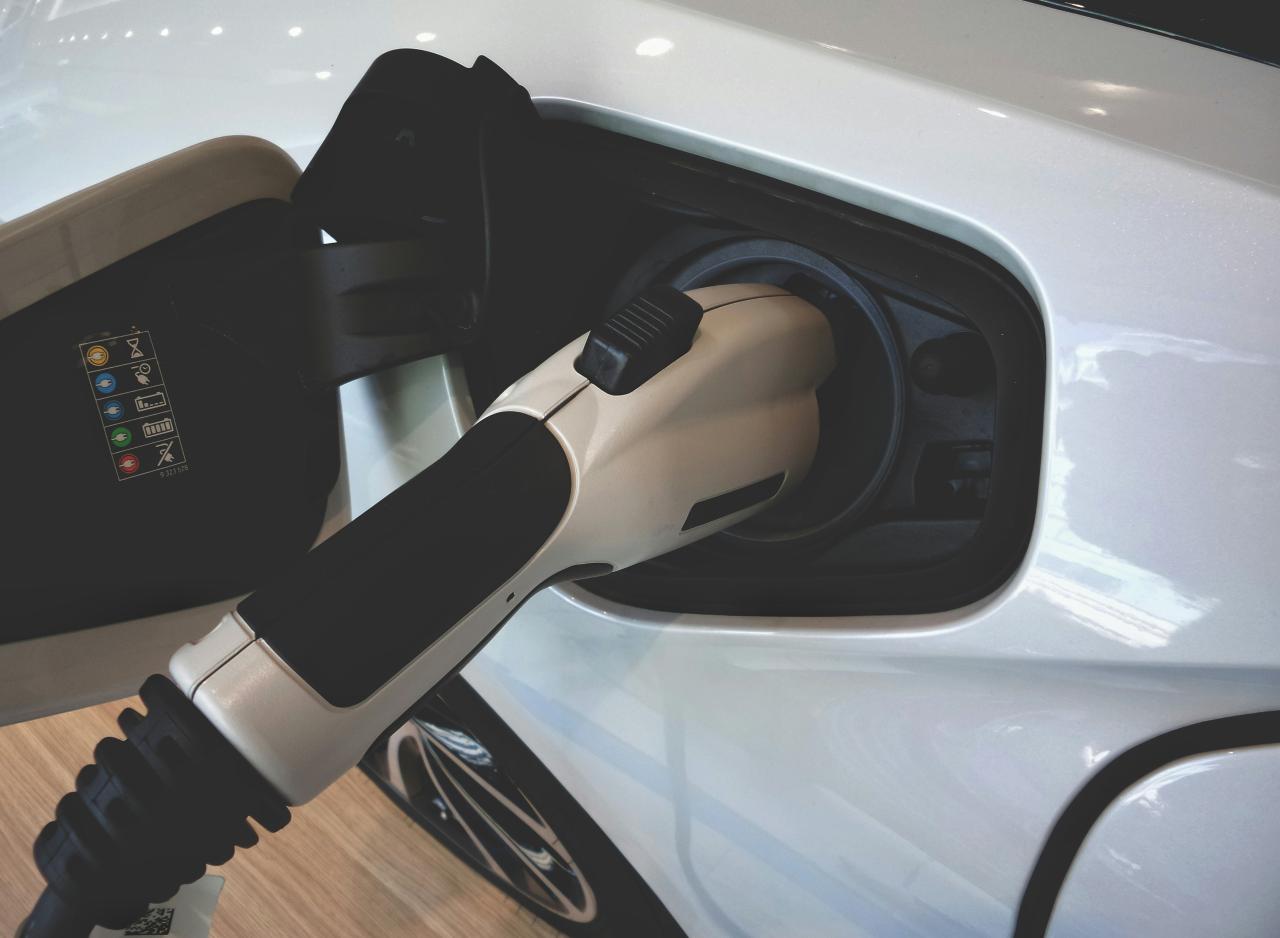
The rise of electric vehicles presents a unique challenge to the traditional fixed operations model, as EVs require significantly less maintenance than internal combustion engines. There are no oil changes, spark plugs, or transmission flushes in an EV, which are the “bread and butter” of service profit. Dealerships must adapt by focusing on new areas of service, such as battery health diagnostics, tire wear management, and software updates. The transition will be slow, but the preparation must begin today to ensure future profitability.
A. Focusing on Tire Sales and Alignment
EVs are much heavier than gas cars and produce instant torque, which leads to significantly faster tire wear. Tires will become an even more important “entry point” for service customers in the EV era. Dealerships that offer competitive tire pricing and advanced alignment services will capture the majority of the new EV service market.
B. Becoming the Expert in High-Voltage Systems
As EVs age, they will require specialized care for their high-voltage batteries and cooling systems. Investing in the tools and training to become a “certified EV center” will allow your dealership to charge a premium for these complex services. While the frequency of visits may go down, the “complexity and cost” per visit for EVs may actually rise.
C. The Evolution of the Service Menu
Service managers must start rethinking their “menu” of services to include EV-specific items like cabin air filter replacement, brake fluid flushes, and “digital health checks.” Offering over-the-air (OTA) update support and home charging installation services are other ways to remain relevant. Adaptation is the only way to survive the technological shift currently sweeping the industry.
Marketing Your Fixed Operations as a Value Proposition
Finally, you cannot optimize your fixed ops profit if the public doesn’t know about the value you provide. Most people assume the dealership is the “most expensive” place to get their car fixed, even if that isn’t true. Your marketing should focus on the expertise of your factory-trained techs, the use of genuine OEM parts, and the “peace of mind” that comes with a dealership warranty. Effective fixed ops marketing is about changing the narrative from “price” to “value.”
A. Targeted Service Email and SMS Campaigns
Use your CRM data to send personalized service reminders based on the customer’s actual mileage and service history. A “We Miss You” coupon sent at the right time can bring a “lost” customer back into the fold. These targeted campaigns have a much higher ROI than broad, expensive radio or TV advertisements.
B. Building a Strong Online Reputation via Reviews
In the digital age, customers will check your service department’s Google and Yelp reviews before they book an appointment. Encourage your service advisors to ask happy customers for a quick review on their phones before they leave the drive. A high “star rating” for your service department is one of the most powerful marketing tools you have.
C. Promoting “Service Now, Pay Later” Options
Large, unexpected repairs can be a major financial burden for many families, leading them to delay service or look for the cheapest possible option. Offering third-party financing for repairs allows the customer to get their car fixed safely while you get paid in full immediately. This removes the “price objection” and allows for higher-margin work to be approved.
Conclusion

Fixed operations represent the most stable and reliable path to long-term dealership profitability. Success in the service drive requires a meticulous focus on technician efficiency and billable hours. Service advisors must be trained as professional consultants who prioritize vehicle health and customer trust. A lean and accurate parts inventory is essential for keeping the shop moving at peak capacity. Customer retention is built through digital convenience and a commitment to a premium service experience.
Data analytics should be the primary tool used by managers to identify and fix profit leaks. The physical layout of the facility should be optimized for flow and a professional visual impact. Internal collaboration between sales and service is the only way to maximize a customer’s lifetime value. Preparing for the electric vehicle transition is a non-negotiable requirement for future-proofing your business. Effective marketing must shift the conversation from “high dealership prices” to “unmatched professional value.”
Every minute a technician spends not working is a permanent loss of revenue for the dealership. Transparency in the multi-point inspection process is the key to unlocking higher repair order averages. A dealership with 100% absorption is a business that can survive any economic or industry storm. The fixed operations department is not a “back-end” support system but the main engine of the business. Optimizing these departments requires constant adaptation to new technology and changing consumer habits. The future of the automotive business belongs to those who master the art of the service drive today.