The evolution of the automotive landscape is currently undergoing a radical metamorphosis that transcends the traditional boundaries of mechanical engineering. For over a century, the primary value of a vehicle was found in its engine, the quality of its steel, and the intricacy of its physical transmission. Today, we are witnessing a monumental pivot where the soul of the car is being replaced by lines of complex, intelligent code. This transformation into the Software-Defined Vehicle (SDV) era means that the digital architecture now dictates the performance and utility of the machine.
It is a world where hardware becomes the vessel, while software becomes the primary driver of innovation and consumer satisfaction. We are moving away from static products that begin to age the moment they leave the dealership lot. Instead, we are entering a phase of dynamic, living platforms that evolve, learn, and improve through continuous connectivity. This shift is not just about adding a touchscreen to a dashboard; it is about reimagining the entire ecosystem of human movement. As we delve into this digital frontier, we see a future where autonomy is not just a feature but a fundamental state of being.
The Structural Shift to Digital Foundations
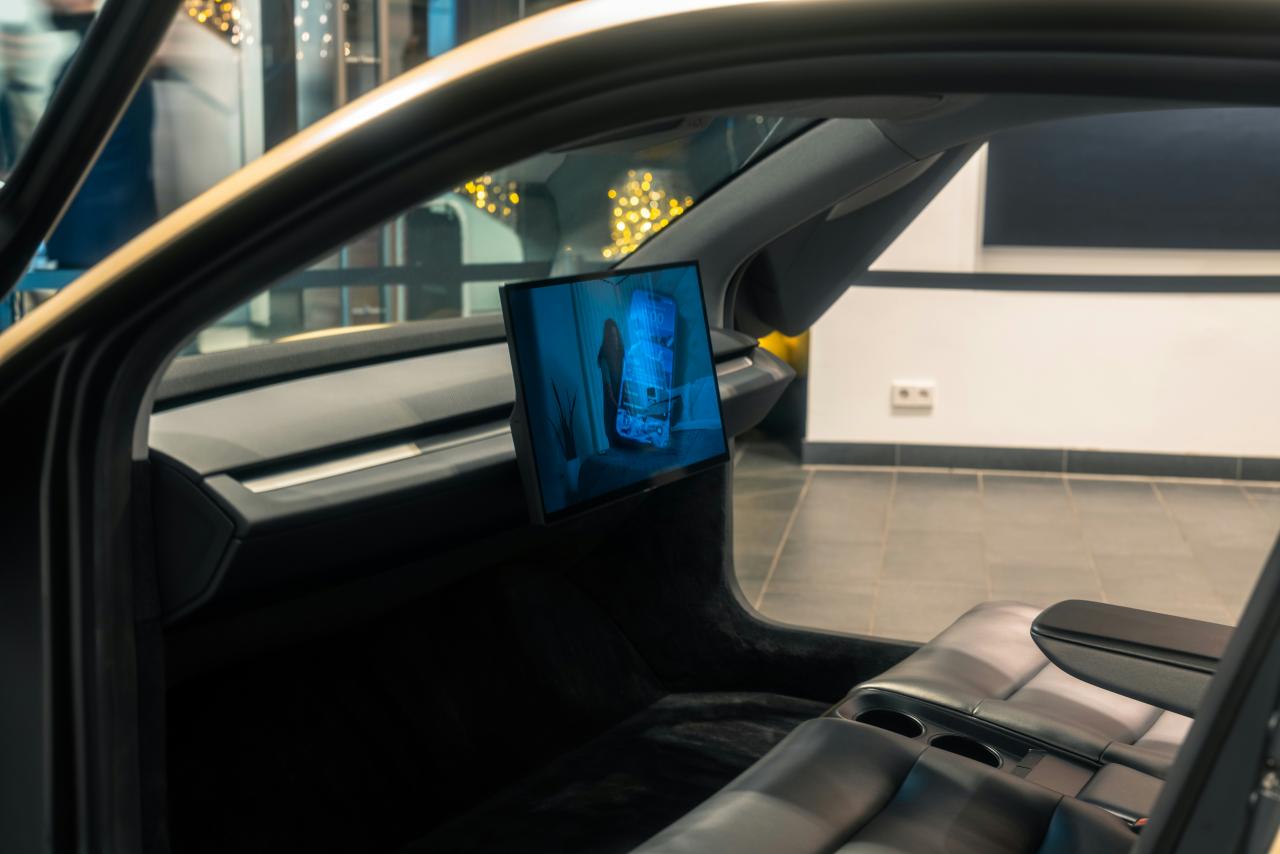
The architecture of a car has historically been a fragmented collection of hardware-dependent systems. Every new feature, from anti-lock brakes to power windows, required its own Electronic Control Unit (ECU). This led to a “spaghetti” of wiring and a massive weight increase that hindered efficiency and complicated repairs. The move toward software-defined systems solves this by consolidating these functions into a unified, high-performance computing platform.
A. Hardware Consolidation
Modern vehicles are moving away from having a hundred small computers toward having two or three massive “brains.” This reduction in physical complexity allows for much faster data communication between different parts of the car.
B. Decoupling Software from Hardware
In the past, software was “baked” into the hardware, making it impossible to change without replacing parts. Now, the operating system sits on top of the hardware, allowing developers to write apps that work across different car models.
C. Scalable Cloud Integration
The vehicle is no longer an island; it is a node in a global network. By utilizing cloud computing, the car can offload heavy processing tasks to remote servers, keeping the onboard systems light and fast.
D. Unified Operating Systems
Just as computers have Windows or macOS, cars are developing their own standardized operating systems. This standardization allows for a more stable environment for third-party developers to create new automotive services.
E. High-Speed Data Backbones
To handle the massive amount of data generated by cameras and sensors, cars now use automotive Ethernet. This allows for gigabit speeds within the vehicle’s internal network to ensure zero-latency responses.
F. Virtualization of Functions
Engineers can now run multiple operating systems on a single hardware chip using hypervisors. This ensures that the entertainment system cannot interfere with critical safety functions like steering.
G. Standardized Middleware
Middleware acts as a translator between different software layers. This allows car companies to swap out sensors or hardware components without rewriting the entire software stack.
H. Energy Management Algorithms
Software-defined vehicles can intelligently distribute power to where it is needed most. This precision leads to significantly better range for electric vehicles by minimizing energy waste in idle systems.
The Power of Over-the-Air Evolution
The most visible change for the average owner is the ability to receive updates remotely. In the old world, a recall or a feature upgrade meant taking half a day off to visit a service center. Today, the car updates itself while you sleep, much like a smartphone or a laptop. This capability fundamentally changes the lifecycle of the vehicle and the relationship between the brand and the buyer.
A. Continuous Performance Tuning
Engineers can monitor how a car performs in the real world and tweak the motor efficiency via software. This can result in increased horsepower or better battery range without the owner ever touching a wrench.
B. Rapid Bug Deployment
If a security vulnerability or a software glitch is discovered, a patch can be sent to millions of cars instantly. This massive scale of safety management was previously impossible in the automotive industry.
C. Dynamic Feature Unlocking
A car can be manufactured with all the necessary sensors for a premium feature, but the feature remains locked. A user can then choose to purchase or subscribe to that feature later when they actually need it.
D. Real-Time Map Refinement
Autonomous driving requires highly detailed maps that change as road construction occurs. Software-defined cars can upload road changes to a central server and download updated maps in real-time.
E. User Interface Personalization
The look and feel of the digital cockpit can be changed with a simple theme download. This allows users to keep their car feeling fresh and modern for many years after the initial purchase.
F. Diagnostic Remote Monitoring
The software can identify a failing part before it actually breaks. It can then automatically schedule a service appointment and order the necessary part to the local garage.
G. Fleet-Wide Intelligence Sharing
When one car encounters a new type of hazard, the data is processed and shared with every other car in the fleet. This collective learning ensures that the entire network becomes safer with every mile driven.
H. Legacy Support for Older Models
Manufacturers can continue to provide security updates and minor feature improvements for older vehicles. This extends the useful life of the car and builds massive brand loyalty among consumers.
Redefining the Interior Experience
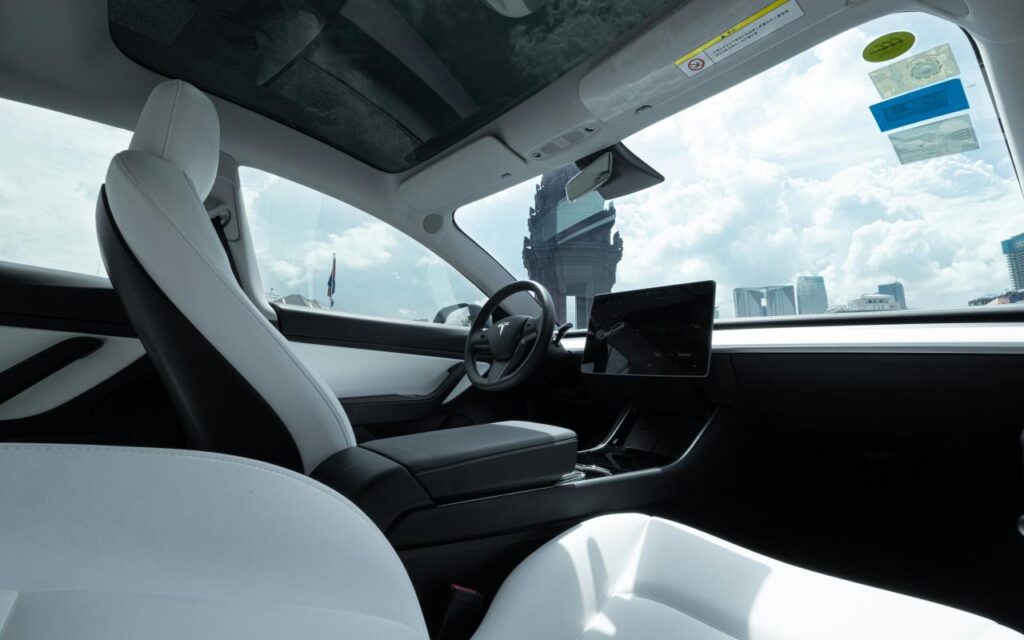
As software takes over the task of driving, the interior of the vehicle is being reimagined as a “third space.” It is no longer just a place to sit while moving from point A to point B; it is a mobile office, a theater, or a relaxation lounge. The software manages the environment to suit the mood and needs of the passengers, creating an immersive experience that hardware alone could never achieve.
A. Adaptive Ambient Environments
The software can change lighting, soundscapes, and even cabin scents based on the time of day or the passenger’s stress level. This holistic approach to comfort turns a stressful commute into a therapeutic session.
B. Integrated Workspace Solutions
With the car driving itself, the interior can transition into a professional meeting room. High-speed connectivity and integrated video conferencing software allow for seamless productivity on the go.
C. Augmented Reality Navigation
Instead of looking at a small screen, navigation cues can be projected onto the windshield. This software-driven visual layer helps the driver understand exactly where to turn without taking their eyes off the road.
D. Advanced Voice Recognition
Natural language processing allows passengers to control every aspect of the car through voice. You can ask the car to find a restaurant with specific dietary options and it will handle the booking and the navigation.
E. Biometric Health Monitoring
Sensors in the seats can track heart rate and respiratory patterns. If the software detects a medical emergency, it can autonomously drive the passenger to the nearest hospital while alerting doctors.
F. Context-Aware Entertainment
The infotainment system can suggest movies or games based on the remaining duration of the trip. It ensures that you never start a two-hour movie when you only have thirty minutes left in your journey.
G. Intelligent Climate Zoning
Using infrared sensors, the software can detect the body temperature of each individual passenger. It then directs focused streams of air to keep everyone at their ideal comfort level.
H. Active Noise Cancellation
The car’s audio software can generate “anti-noise” to cancel out road and wind sounds. This creates a library-quiet cabin even when traveling at high speeds on the highway.
The Role of Artificial Intelligence in Autonomy
Artificial Intelligence is the engine that drives the software-defined vehicle toward true autonomy. It is the component that allows the machine to perceive the world, predict human behavior, and make split-second decisions. Without the massive processing power of AI software, a self-driving car would be nothing more than a collection of blind sensors.
A. Computer Vision Evolution
AI models are trained on billions of images to recognize everything from a plastic bag blowing in the wind to a child chasing a ball. This level of perception is what makes autonomous driving safer than human driving.
B. Behavioral Prediction Algorithms
The software doesn’t just see a cyclist; it predicts where that cyclist is likely to move next. By calculating probabilities, the car can proactively slow down before a potential conflict occurs.
C. Reinforcement Learning
Autonomous systems are constantly learning from “near-miss” scenarios encountered by any car in the fleet. When one car learns a new way to handle a difficult intersection, every other car in the network gains that knowledge.
D. Edge Computing Efficiency
AI software is optimized to run locally on the car’s hardware to ensure instant decision-making. This “edge” processing is vital because the car cannot wait for a cloud response when a collision is imminent.
E. Sensor Fusion Technology
The software combines data from Lidar, Radar, and Cameras to create a redundant and highly accurate 3D map. This fusion ensures that the car can still “see” perfectly in heavy rain, thick fog, or total darkness.
F. Path Planning Logic
The software evaluates thousands of possible routes every second to find the safest path through traffic. It accounts for road friction, incline, and the movement of all surrounding objects.
G. Anomaly Detection
AI can spot unusual patterns that might indicate a sensor is malfunctioning or covered in mud. It can then switch to a “fail-safe” mode to ensure the safety of the passengers.
H. Natural Human Interaction
The car can communicate its intentions to pedestrians using external screens or lights. This software-controlled “body language” helps build trust between humans and autonomous machines.
Economic Transformation and New Business Models
The shift to software is destroying the old business model of “build, sell, and forget.” Automotive companies are becoming tech companies that focus on recurring revenue and long-term ecosystem engagement. This change has massive implications for how we value vehicles and how we interact with transportation brands.
A. Mobility-as-a-Service (MaaS)
Instead of owning a car, consumers can subscribe to a fleet of autonomous vehicles. The software manages the dispatching, routing, and cleaning of the fleet to ensure a car is always available within minutes.
B. The App Store for Cars
We will soon see dedicated marketplaces where you can download third-party software for your vehicle. This could range from specialized diagnostic tools to games that passengers can play using the car’s built-in screens.
C. Data Monetization Strategies
The vast amount of data collected by software-defined vehicles is incredibly valuable to urban planners and insurance companies. Anonymized data can be used to improve city traffic flow or create more fair insurance pricing.
D. Extended Vehicle Longevity
Software updates prevent the “obsolescence” that typically kills the value of old cars. A five-year-old software-defined vehicle can still have the latest safety features and entertainment options.
E. Global Fleet Management
For logistics companies, software allows for the precise tracking and optimization of thousands of autonomous trucks. This reduces fuel consumption and ensures that goods are delivered with surgical precision.
F. Retail and Advertising Integration
Businesses can offer discounts to passengers who choose to have their autonomous taxi stop at a specific shop. The software handles the micro-transactions and route adjustments seamlessly.
G. Usage-Based Insurance
Insurance premiums can be calculated in real-time based on the actual safety performance of the car’s software. Safe driving software can lead to significant cost savings for the owner.
H. Software-Driven Manufacturing
Digital twins allow engineers to test a car’s software in a virtual world before a single physical part is built. This drastically reduces the time and cost required to bring a new model to market.
Safety, Ethics, and the Digital Shield
The ultimate goal of the software-defined movement is to eliminate traffic fatalities. By removing the “human element”—distraction, fatigue, and emotion—we can create a transportation system that is nearly flawless. However, this requires a deep focus on the ethical programming and cybersecurity of the software itself.
A. Cybersecurity as a Core Pillar
A software-defined car must be a digital fortress. Engineers use “white-hat” hacking and military-grade encryption to ensure that the steering and braking systems are never compromised by external threats.
B. Ethical Decision Programming
Software developers must grapple with difficult “trolley problem” scenarios. Creating a standardized ethical framework for how AI should prioritize life in unavoidable accidents is a major industry focus.
C. Redundancy Systems
In a software-centric world, there must be a backup for everything. If the main processor fails, a secondary, simpler system must be able to bring the car to a safe stop immediately.
D. V2X Communication Protocols
Vehicle-to-Everything (V2X) software allows cars to “talk” to traffic lights and other vehicles. This creates a collective intelligence where every part of the road network works together to prevent accidents.
E. Transparency and Public Trust
For people to accept autonomous software, they must understand how it works. Companies are focusing on “explainable AI” that can provide logs of why a specific action was taken during a drive.
F. Secure Identity Management
The software ensures that only authorized users can access or control the vehicle. Biometric or digital keys prevent theft and ensure that personal settings are loaded correctly.
G. Over-the-Air Forensics
In the event of an incident, the software provides a complete digital black box. Investigators can reconstruct the entire scene with millisecond precision to understand exactly what happened.
H. Continuous Regulatory Compliance
As laws change, the car’s software can be updated to ensure it always follows the latest local traffic regulations. This is vital for vehicles that travel across international borders.
The Path to Global Adoption
Transitioning the entire world to software-defined autonomous vehicles is a marathon, not a sprint. It requires massive investments in infrastructure and a change in how governments regulate the road. Despite these hurdles, the momentum is unstoppable because the benefits to society are too large to ignore.
A. Infrastructure Synchronization
Smart cities are being designed with sensors that feed data directly into the car’s software. This synergy between the road and the vehicle will be the final step toward full autonomy.
B. Regulatory Evolution
Laws are shifting from focusing on driver behavior to focusing on software certification. Governments are working with tech companies to create rigorous testing standards for every new software release.
C. Energy Efficiency and the Environment
Software-defined vehicles are almost always electric. The software optimizes power consumption so perfectly that we can significantly reduce the carbon footprint of global transportation.
D. The Democratization of Mobility
Autonomous software provides freedom to those who cannot drive, such as the elderly or the visually impaired. This social impact is one of the most profound drivers of the technology.
E. Global Standardization
Industry leaders are collaborating to create open-source standards for automotive software. This prevents a “fragmented” world where different car brands cannot communicate with each other on the road.
F. Public Education Initiatives
Trust is the final barrier to adoption. Manufacturers are launching programs to show how autonomous software actually works in various weather and traffic conditions.
G. Labor Market Transition
The rise of autonomous software will change the nature of driving jobs. The focus will shift from operating the vehicle to managing the complex logistics software behind the scenes.
H. Sustainable Hardware Recyclability
Since the value is in the software, the physical hardware can be designed for easy recycling. Modular components can be swapped out as they wear out, while the digital heart of the car lives on.
I. Edge-to-Cloud Orchestration
Balancing the processing between the car and the cloud is a constant engineering feat. This ensures that the vehicle is always smart, even in areas with poor internet connectivity.
J. Real-Time Traffic Optimization
Software can coordinate the speed of every car on the highway to eliminate stop-and-go traffic. This “platooning” technique saves time and reduces fuel consumption for everyone.
K. Hyper-Personalized Commercial Services
Imagine a car that knows you are hungry and suggests a route that takes you past your favorite taco stand. This level of software integration makes every trip a custom-tailored journey.
L. The Future of Urban Design
Without the need for massive parking lots, cities can be redesigned for people instead of cars. Autonomous software allows vehicles to park themselves in remote hubs when not in use.
Conclusion
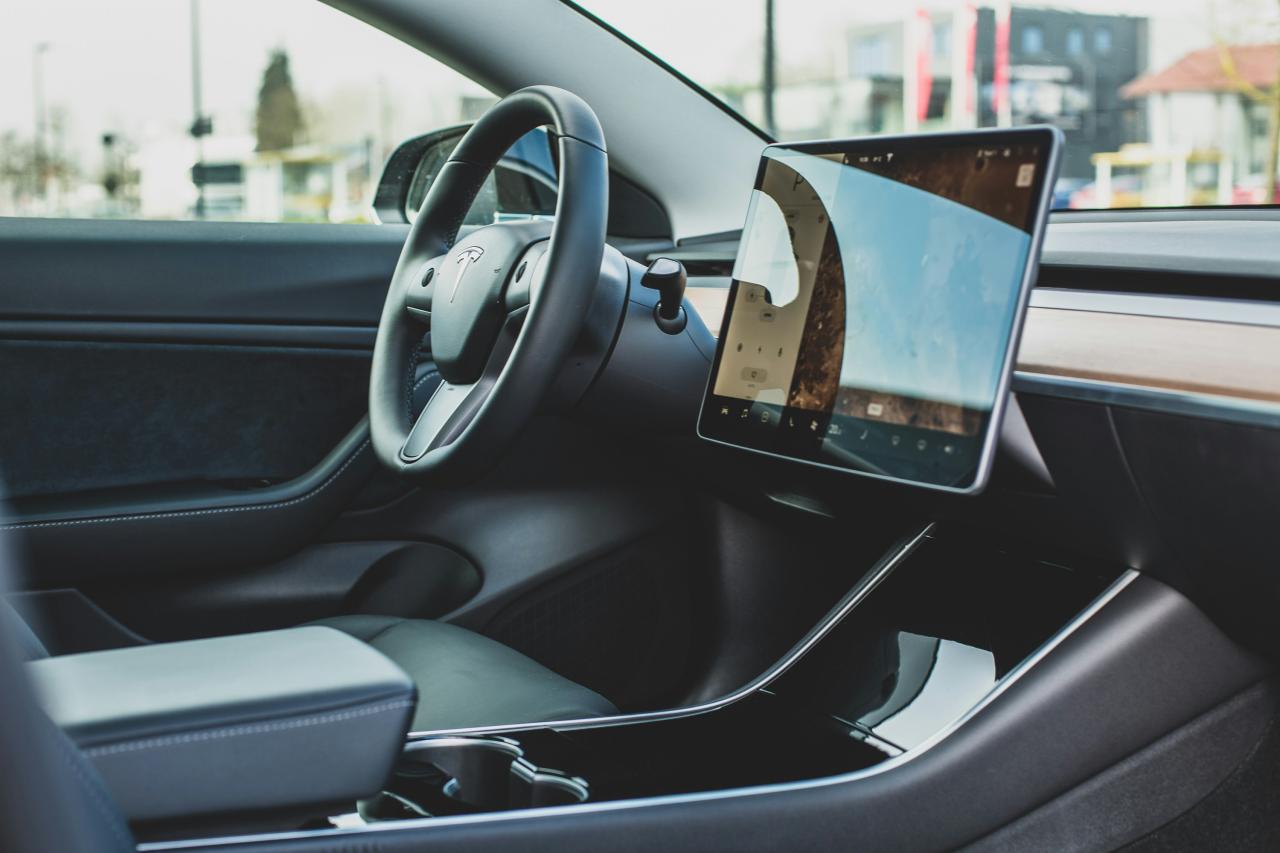
The landscape of modern transportation is being rewritten by the power of digital code. This evolution ensures that our cars are no longer just tools but intelligent companions. Every update brings us closer to a world without accidents or traffic congestion. The software-defined vehicle is the cornerstone of the next industrial revolution. We are moving toward a future where mobility is a seamless and accessible right for all. Technology has finally caught up with our dreams of effortless and safe travel. The journey ahead is long but the destination is a much smarter world.
Innovation in software is the key that unlocks the full potential of the human spirit. Our cities will breathe easier as these intelligent machines optimize every single mile. This is not just a change in how we move but a change in how we live. The horizon is bright with the promise of autonomous and connected freedom. We are the architects of a new era that prioritizes safety and efficiency. The era of the software-defined vehicle has officially arrived to stay.