The automotive world is currently standing on the precipice of a massive technological shift that will redefine how we think about energy and movement forever. While traditional lithium-ion batteries have successfully kickstarted the electric vehicle revolution, they are quickly reaching their physical and chemical limitations in terms of energy density and safety. Enter the world of solid-state battery technology, a breakthrough that promises to solve almost every major hurdle currently facing electric cars today. This isn’t just a minor upgrade; it is a fundamental change in the battery’s architecture that replaces liquid electrolytes with solid materials. For the consumer, this means significantly longer driving ranges, much faster charging times, and a level of safety that was previously unattainable with liquid-based systems.
Manufacturers are racing to master this technology because whoever controls the solid-state patent landscape will essentially control the future of the global transport industry. Beyond just cars, this technology has the potential to revolutionize everything from smartphones and laptops to electric aviation and grid-scale energy storage. Understanding the nuances of this “holy grail” of energy storage is essential for anyone who wants to stay ahead of the curve in the rapidly evolving green tech sector. This masterclass will dive deep into the science, the challenges, and the massive opportunities hidden within the solid-state revolution.
The Core Chemistry of Solid-State Systems
To understand why solid-state is so much better, we have to look at how a battery actually functions at a molecular level.
A. Replacing Liquid with Solid Electrolytes
Traditional batteries use a liquid or gel electrolyte to move ions back and forth between the anode and cathode. Solid-state batteries use a solid ceramic, glass, or polymer material instead.
B. Eliminating the Need for Volatile Solvents
Liquid electrolytes are often flammable and require complex cooling systems to prevent “thermal runaway.” A solid electrolyte is inherently non-flammable, which simplifies the entire pack design.
C. The Role of Lithium Metal Anodes
Solid electrolytes allow for the use of pure lithium metal anodes instead of graphite. This change alone can nearly double the amount of energy a battery can store in the same amount of space.
Why Energy Density is the Ultimate Metric
The biggest complaint about electric vehicles has always been “range anxiety,” and solid-state technology is the direct cure for this issue.
A. Volumetric vs Gravimetric Density Gains
Solid-state cells can store more power per liter and more power per kilogram. This means car designers can either give you a 1,000-mile range or make the car much lighter and more efficient.
B. Reduction in Battery Pack Volume
Because the cells are more stable, they don’t need the bulky cooling plates and heavy safety cages required by today’s EVs. This “pack-level” density increase is where the real magic happens for vehicle performance.
C. Impact on Interior Cabin Space
Smaller batteries mean more room for passengers and luggage. Future EVs will feel more like mobile living rooms because the “engine” (the battery) will be almost invisible.
The Physics of Ultra-Fast Charging
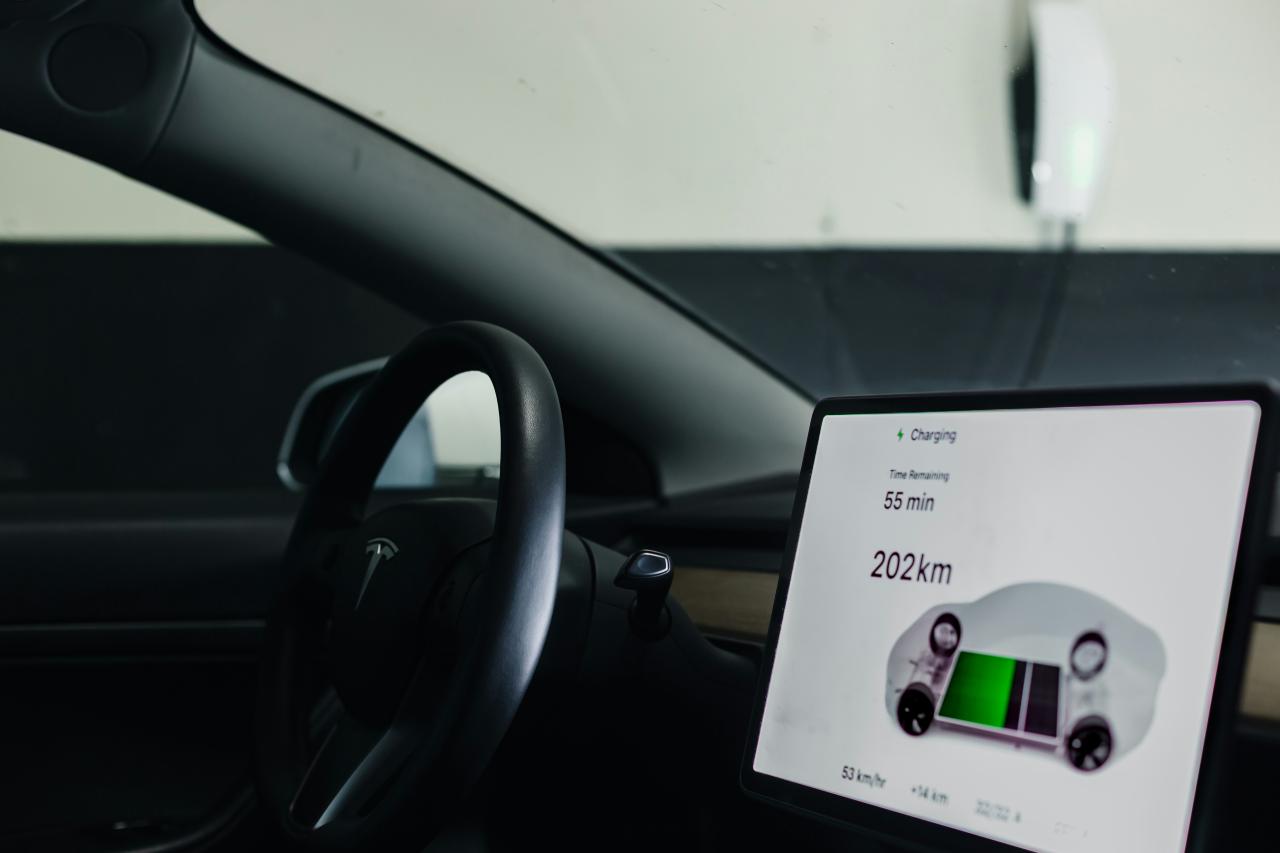
One of the most frustrating things about current EVs is waiting 30 to 45 minutes for a full charge at a station.
A. High Ionic Conductivity at the Interface
Modern solid electrolytes are being engineered to allow lithium ions to move through them faster than they do in liquid. This paves the way for charging times that rival the time it takes to fill a tank of gas.
B. Elimination of Lithium Plating Issues
In liquid batteries, charging too fast can cause “plating,” which leads to short circuits and fires. Solid-state materials are much more resistant to this phenomenon, allowing for much higher current flows.
C. Heat Management During Rapid Cycles
Since solid-state cells generate less internal resistance, they don’t get as hot during a fast-charge session. This means you can maintain peak charging speeds for much longer without the system “throttling” back.
Enhancing Safety and Thermal Stability
Safety is the number one concern for families looking to switch to electric, and solid-state tech offers total peace of mind.
A. Non-Flammable Material Composition
Ceramic and polymer electrolytes simply do not catch fire like the liquid chemicals used in current Tesla or BYD batteries. This makes them much safer during high-speed collisions.
B. Resistance to Dendrite Growth
Dendrites are tiny, needle-like structures that grow inside batteries and cause them to fail. New solid-state designs act as a physical barrier that stops these needles from ever forming.
C. Operating Temperature Resilience
Liquid batteries struggle in extreme cold and extreme heat. Solid-state systems are much more robust, allowing them to function perfectly in the freezing Arctic or the scorching desert.
The Manufacturing Challenge and Scalability
If the technology is so great, why isn’t every car on the road using it yet? The answer lies in the factory.
A. The Difficulty of High-Volume Production
Making solid-state batteries in a lab is easy, but making millions of them per year is incredibly difficult. Scientists are still trying to figure out how to mass-produce the solid electrolyte layers without defects.
B. Interface Contact Impedance
It is hard to keep a solid piece of ceramic in perfect contact with a solid piece of metal as the battery expands and contracts. Solving this “contact” issue is the biggest engineering hurdle remaining.
C. Cost of Raw Materials and Processing
Right now, solid-state batteries are much more expensive to make than traditional ones. We need a “Moore’s Law” moment where the cost of these materials drops as production increases.
Leading Players and the Global Patent Race
The competition to bring this tech to market is a high-stakes game of geopolitical and corporate chess.
A. Toyota and the Japanese Consortium
Toyota currently holds the most patents for solid-state batteries in the world. They are leading a massive group of Japanese companies to ensure they dominate the next decade of automotive tech.
B. QuantumScape and the Volkswagen Partnership
This Silicon Valley startup is backed by Bill Gates and VW. They have shown impressive lab results that suggest they are very close to a commercial-grade product.
C. Nio and Chinese Innovation
While Japan and the US focus on pure solid-state, Chinese companies like Nio are already shipping “semi-solid” batteries. This middle-ground tech offers many of the benefits today while the full tech matures.
Environmental Impact and Sustainability
Green tech should be green from start to finish, and solid-state batteries offer a cleaner lifecycle.
A. Reduced Need for Critical Minerals
Many solid-state designs require less cobalt and nickel, which are often mined in ethically questionable conditions. This makes the supply chain more transparent and sustainable.
B. Longer Cycle Life and Durability
A solid-state battery can last for 5,000 to 10,000 charge cycles, compared to about 1,000 for a liquid one. A battery that lasts 20 years instead of 8 is much better for the planet.
C. Simplified Recycling Processes
Since there are no toxic liquids to drain, recycling a solid-state battery is much simpler. The materials can be crushed and reused more efficiently than current complex chemical baths.
Beyond Cars: Portable Electronics and More
The impact of this mastery extends far beyond the wheels of your SUV.
A. The Future of Smartphones and Laptops
Imagine a phone that lasts for a week on a single charge and can’t explode in your pocket. Solid-state tech will make our mobile devices thinner, lighter, and more powerful than ever.
B. Electric Aviation and Vertical Takeoff
Planes need a lot of power but can’t carry a lot of weight. The high energy density of solid-state cells is the key to making regional electric flights a reality.
C. Medical Implants and Wearables
Small, safe, and long-lasting batteries are perfect for pacemakers or smartwatches. The biocompatibility of some solid electrolytes makes them ideal for inside the human body.
The Roadmap to Commercial Reality
We are moving out of the research phase and into the pilot production phase of the journey.
A. Phase One: Semi-Solid State Integration
The first step is adding solid components to liquid batteries to get a 20% boost in performance. We are seeing this happen in the market right now.
B. Phase Two: Premium Luxury Rollouts
The first true solid-state cars will be very expensive supercars and luxury sedans. This helps manufacturers recover their research costs before the tech moves to the mainstream.
C. Phase Three: Mass Market Ubiquity
In about a decade, we expect the cost to drop enough for economy cars. At that point, the internal combustion engine will truly become a relic of the past.
Embracing the Solid State Future
The evolution of battery technology is the single most important factor in our transition to a clean energy economy. Solid-state mastery represents the final bridge between the age of oil and the age of electricity. It offers a future where travel is cheaper, safer, and infinitely more convenient for everyone. While the technical hurdles are significant, the global investment of billions of dollars ensures that solutions are coming.
Every breakthrough in the lab brings us one step closer to a 1,000-mile electric vehicle. As a consumer or investor, staying informed about these changes is the best way to prepare for the coming decade. The solid-state revolution isn’t just coming; it’s already being built in the labs and factories of the world’s greatest innovators.
Conclusion
Mastering elite solid state battery technology is the definitive key to unlocking the true potential of the green energy era. The transition from liquid to solid electrolytes represents a fundamental shift in how we store and deploy power. This breakthrough addresses the primary concerns of range, safety, and charging speed that have historically held back electric vehicles. Energy density improvements will allow for lighter vehicles that can travel distances once thought impossible for battery power. The inherent safety of solid materials eliminates the risk of fire, making future transport much more secure for everyone. Ultra-fast charging capabilities will eventually make the experience of “refueling” an EV as quick as visiting a gas station.
Global competition in this space is driving innovation at a pace that has never been seen before in the history of chemistry. Sustainability is a core benefit, as these batteries last longer and require fewer environmentally damaging minerals to produce. Beyond the automotive sector, this technology will transform our personal gadgets and even the future of flight. Manufacturing challenges remain, but the path toward mass production is becoming clearer with every passing month. Investment in this sector is not just a trend but a strategic necessity for the world’s leading economies and corporations.
The lifecycle of a solid-state battery is significantly more eco-friendly than that of its liquid predecessors. As the technology matures, we will see a gradual rollout from luxury supercars to everyday affordable vehicles. Solid-state mastery is the final piece of the puzzle for a world that wants to move away from fossil fuels forever. We are currently witnessing the birth of a multi-trillion dollar industry that will define the next century of human progress. Staying educated on these developments is vital for anyone looking to navigate the future of technology and investment. Ultimately, the goal of this mastery is to create a cleaner, safer, and more efficient planet for the generations to come.