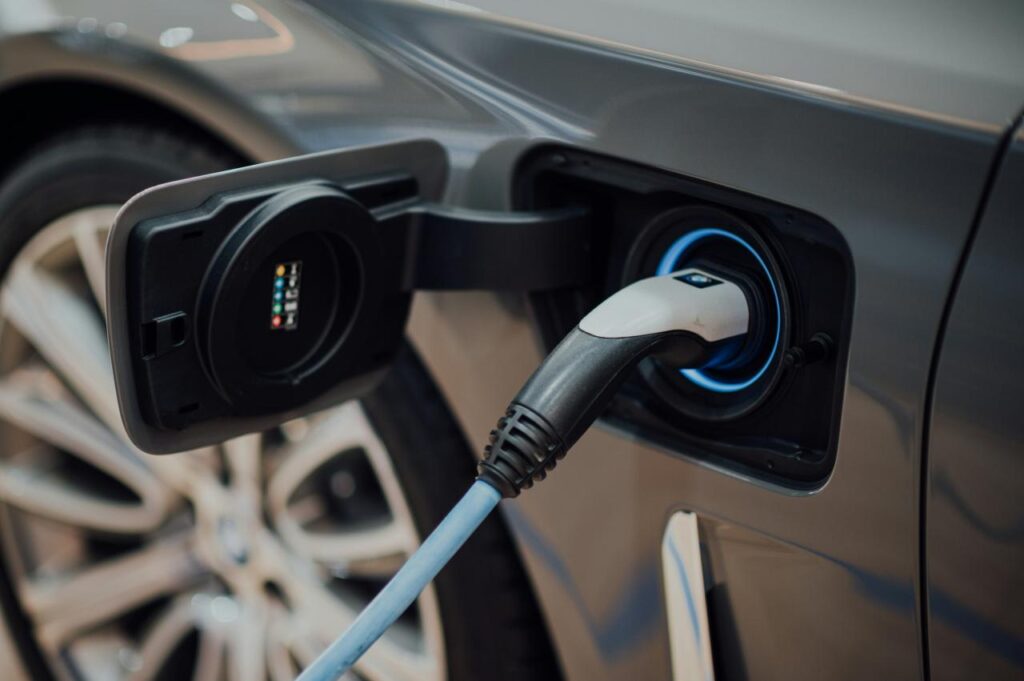
The global transition toward electric vehicles has reached a critical tipping point where traditional internal combustion engines are slowly becoming relics of the past. For over a decade, the automotive industry has leaned heavily on Lithium-ion battery technology to power everything from compact city cars to massive long-haul trucks. While these batteries have improved significantly, they still face major hurdles such as long charging times, limited energy density, and safety concerns related to overheating.
Consumers are often hesitant to make the switch to electric because of “range anxiety” and the frustration of waiting nearly an hour at a charging station. However, a massive scientific breakthrough is currently unfolding in laboratories and high-tech manufacturing plants across the globe in the form of solid-state batteries. This revolutionary technology replaces the liquid electrolyte found in current batteries with a solid material, fundamentally changing how energy is stored and discharged.
This shift promises to deliver electric vehicles that can travel twice as far on a single charge and refill their energy in the time it takes to grab a cup of coffee. As we stand on the verge of this commercial rollout, understanding the impact of solid-state power will help you see why the future of transportation is about to get much faster and safer.
The Problem With Current Lithium-Ion Tech
To appreciate the future, we must first understand the limitations of the current technology that powers our smartphones and Tesla models today. Lithium-ion batteries use a liquid electrolyte solution to allow ions to move between the anode and the cathode.
While effective, this liquid is highly flammable and requires complex cooling systems to prevent the battery from catching fire during rapid charging. This added weight from cooling hardware reduces the overall efficiency of the vehicle and limits how much energy can be packed into a small space.
A. Liquid electrolytes are prone to leaking and can cause a “thermal runaway” if the battery is punctured.
B. Charging speeds are limited because high current generates intense heat that the liquid cannot safely handle.
C. Over time, “dendrites” or tiny spikes of lithium can grow through the liquid, eventually causing a short circuit.
What Makes Solid-State Batteries Different?
The defining characteristic of a solid-state battery is the replacement of that volatile liquid with a solid ceramic, glass, or polymer electrolyte. This simple change allows for a much more compact design because you no longer need the bulky separators and heavy cooling jackets.
Because the material is solid, it is much more stable and can withstand much higher temperatures without the risk of exploding. This inherent safety allows engineers to push the boundaries of energy density and charging voltage further than ever before.
A. Solid electrolytes act as their own physical barrier, preventing the growth of dangerous dendrites.
B. The battery can operate safely in a much wider range of temperatures, from freezing cold to desert heat.
C. Removing liquid components allows for a significantly smaller and lighter battery pack for the same amount of power.
Achieving Ultra-Fast Charging Speeds
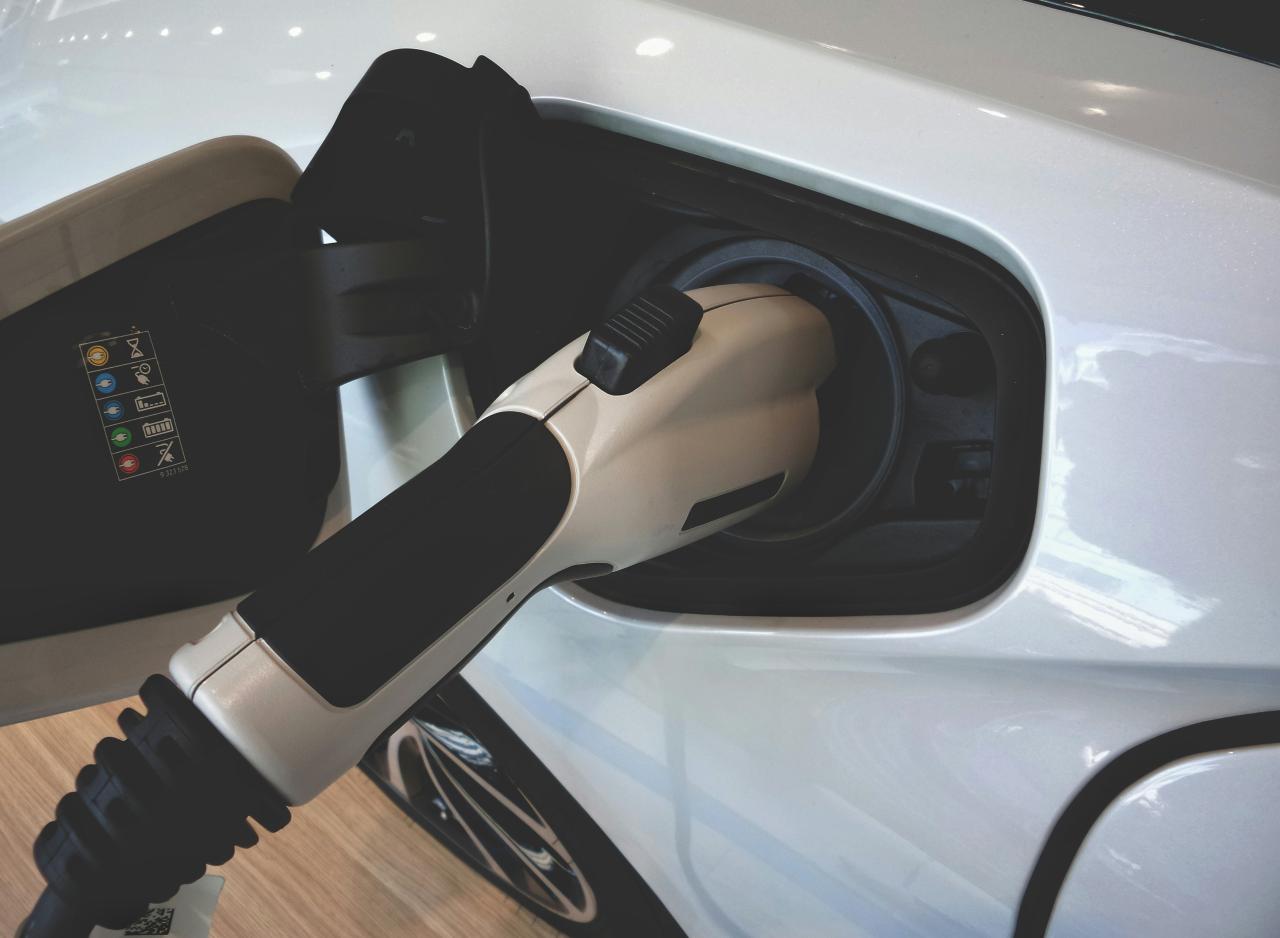
One of the most exciting promises of this breakthrough is the ability to charge an electric car in roughly ten minutes. Currently, even the fastest “superchargers” take about thirty to forty minutes to reach an eighty percent charge for most vehicles.
Solid-state batteries can handle a much higher “C-rate,” which is the speed at which energy is pumped into the cells. This means the experience of “refueling” an EV will finally become identical to the time spent at a traditional gasoline pump.
A. Reduced internal resistance in solid materials prevents the heat buildup that slows down current charging.
B. Higher voltage tolerance allows for the use of ultra-high-speed chargers that would melt a standard battery.
C. Consistent charging curves mean the battery doesn’t have to “slow down” as it reaches full capacity.
Double the Range: Increasing Energy Density
Range anxiety is the number one reason why many people refuse to give up their gas-powered cars for daily commuting. Current EVs typically offer between 200 and 300 miles of range, which can drop significantly in cold weather or during highway driving.
Solid-state technology can store up to two to three times more energy per kilogram than the best Lithium-ion cells available today. This could lead to standard electric sedans that can travel 600 or even 700 miles on a single charge.
A. Higher energy density allows for more “active” material to be packed into the same physical battery volume.
B. Lighter battery packs mean the car has less mass to move, further increasing the overall driving efficiency.
C. Improved storage capacity makes electric trucks and airplanes a much more realistic possibility for the future.
Improving Safety and Reducing Fire Risks
We have all seen the news reports of electric car fires that take thousands of gallons of water and many hours for firefighters to extinguish. These fires are particularly dangerous because the liquid electrolyte provides a constant source of fuel for the flames.
Solid-state batteries are non-flammable by nature, which virtually eliminates the risk of a “thermal runaway” event after an accident. This makes EVs safer for families and reduces the insurance premiums associated with high-voltage vehicle ownership.
A. The solid electrolyte will not catch fire even if the battery pack is crushed or pierced by a sharp object.
B. Elimination of toxic liquid chemicals makes the batteries safer to manufacture and eventually recycle at end-of-life.
C. Simplified safety systems reduce the complexity of the vehicle’s onboard computer and sensor array.
The Challenge of Mass Production
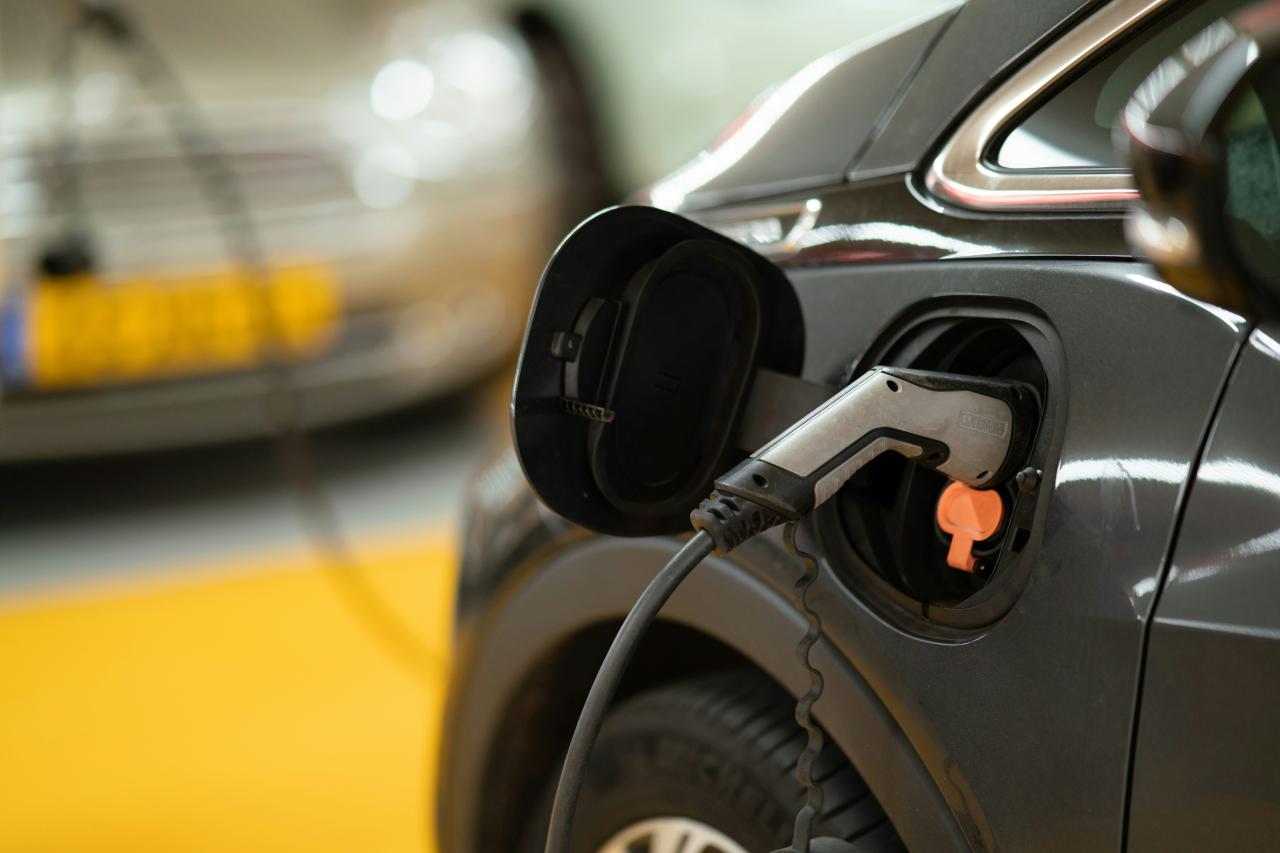
If solid-state batteries are so incredible, why aren’t they in every car on the road today? The primary hurdle is the cost and complexity of manufacturing these solid ceramic layers on a massive industrial scale.
Current production methods for solid-state cells are still largely experimental and much more expensive than the highly optimized Lithium-ion factories. Bridging the gap from a laboratory prototype to a million-unit production line is the current “holy grail” for automotive manufacturers.
A. Creating a perfect, crack-free solid electrolyte layer is difficult to achieve in a fast-moving factory environment.
B. The cost of raw materials for some solid-state designs is currently higher than traditional battery components.
C. Existing “Giga-factories” would require massive and expensive re-tooling to switch over to the new technology.
Major Players in the Solid-State Race
The race to dominate the solid-state market is being fought by massive car companies, specialized startups, and global governments. Toyota is currently a leader in the field, holding over a thousand patents related to solid-state energy storage and testing.
Other companies like Volkswagen, through their partnership with QuantumScape, are also making rapid progress toward a commercial product. The winner of this race will likely control the global automotive market for the next several decades.
A. Toyota plans to release a limited-production solid-state vehicle within the next few years to prove the tech.
B. QuantumScape has successfully tested multi-layer cells that maintain their health over hundreds of charging cycles.
C. Samsung and LG are leveraging their electronics expertise to develop solid-state solutions for both cars and phones.
The Impact on the Used Car Market
One of the biggest concerns for used EV buyers is the “degradation” of the battery over time and the high cost of replacement. Traditional batteries lose a percentage of their capacity every year, eventually making the car less useful for long trips.
Solid-state batteries are expected to have a much longer cycle life, meaning they can be charged and discharged thousands of times with minimal loss. This will improve the resale value of electric cars and make them a much better long-term investment for the average consumer.
A. Solid electrolytes prevent the chemical “wear and tear” that causes traditional batteries to lose power.
B. A car with 150,000 miles might still have ninety-five percent of its original battery capacity and range.
C. This longevity reduces the total cost of ownership and makes the transition to electric more affordable for everyone.
Environmental Benefits and Ethical Sourcing
The mining of materials like cobalt and nickel for current batteries has raised significant ethical and environmental concerns globally. Many solid-state designs aim to reduce or even eliminate the need for these problematic and expensive minerals.
By using more abundant materials for the solid electrolyte, the industry can create a more sustainable and ethical supply chain. Furthermore, the increased efficiency of these batteries means we will need less energy overall to move people and goods.
A. Reduction in the use of cobalt, which is often mined under poor working conditions in certain regions.
B. More efficient recycling processes because the solid materials are easier to separate than liquid chemicals.
C. Lower overall carbon footprint for the manufacturing process once the technology reaches a mature scale.
Solid-State Beyond the Automotive World
While the car industry is the primary driver of this innovation, the benefits will ripple through every part of our modern lives. Imagine a smartphone that lasts for a week on a single charge and can be fully refilled in just sixty seconds.
Drones, medical devices, and even massive grid-scale energy storage for solar and wind power will all be transformed by solid-state tech. This is not just a car story; it is a fundamental shift in how human civilization stores and uses electricity.
A. Wearable technology like smartwatches will become much thinner and last significantly longer between charges.
B. Electric aircraft could finally become a reality for short-haul commercial flights between major cities.
C. Home battery backups will become safer and more compact, fitting easily into small garages or closets.
The Timeline for Commercial Availability
Most industry experts believe that we are about three to five years away from seeing the first mass-produced solid-state vehicles on the road. We will likely see them appear first in luxury cars and high-performance sports cars where the cost is less of a concern.
As manufacturing scales up and the technology matures, the prices will drop, eventually making solid-state the standard for every affordable family SUV. By the year 2030, the liquid-based battery may look as outdated as a dial-up modem looks to us today.
A. Phase 1 (Current): Laboratory testing and small-batch prototyping for high-end automotive partners.
B. Phase 2 (2026-2028): Initial release in luxury and “halo” vehicles to demonstrate real-world performance.
C. Phase 3 (2030+): Wide-scale adoption across all vehicle segments as production costs reach parity with gas cars.
Preparing for a High-Voltage Future
As a consumer, you don’t need to do anything yet, but staying informed will help you make a better purchase decision in the future. If you are planning to buy an electric car in the next year or two, current Lithium-ion tech is still a very solid and reliable choice.
However, if you are a “wait and see” type of person, the solid-state revolution is the perfect reason to hold off a bit longer. The jump in performance will be so significant that it will change our relationship with transportation forever.
A. Follow tech news and automotive journals to stay updated on the latest solid-state testing results.
B. Look for companies that are being transparent about their battery roadmaps and manufacturing partnerships.
C. Understand that the infrastructure for charging will also need to upgrade to handle these new, faster speeds.
Conclusion
The arrival of solid-state batteries represents the single most important advancement in the history of electric transportation.
You will find that the convenience of ten-minute charging completely removes the final barrier to leaving gasoline behind forever.
The massive increase in range means that a single car can finally handle both daily commutes and long-distance road trips.
Safety will no longer be a major talking point once the flammable liquid is removed from the equation for good.
While the manufacturing challenges are real, the amount of global investment ensures that a solution is coming very soon.
Every industry from consumer electronics to commercial aviation will be positively impacted by this breakthrough in energy storage.
The economic shift will be massive as countries and companies race to secure the top spot in the new battery economy.
We are watching the end of “range anxiety” and the beginning of a truly seamless and sustainable electric era.
Your future vehicle will be lighter, safer, and much more efficient than anything currently parked in your driveway today.
The transition to a cleaner planet is finally getting the high-speed boost it has desperately needed for the last decade.
The solid-state revolution is not just a dream anymore; it is the inevitable reality of our modern world.
Would you like me to create a detailed comparison table between the top five companies currently developing solid-state batteries?